
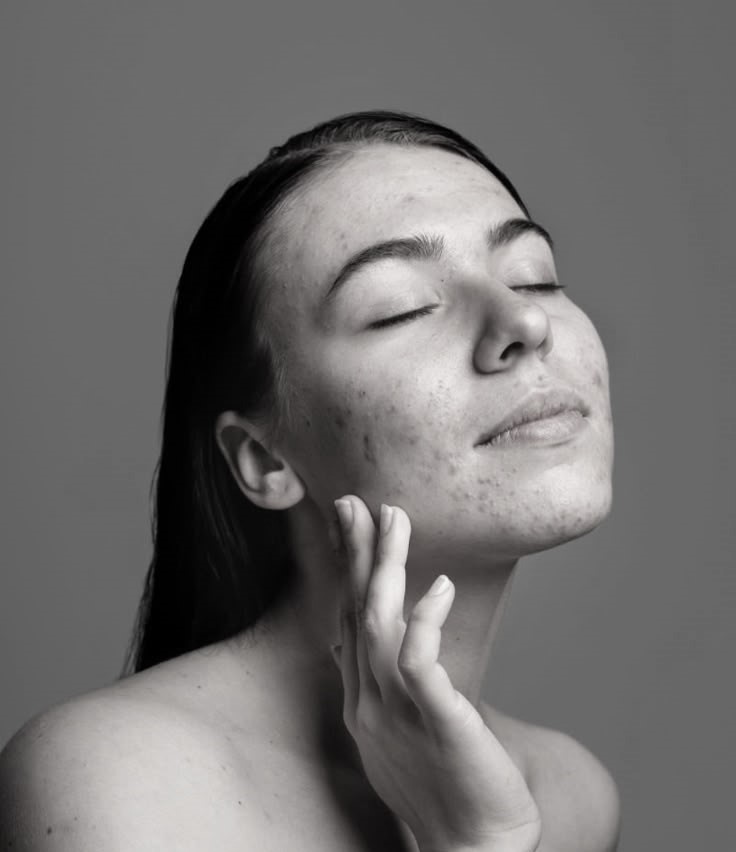
Melanin-rich skin tone is strong, beautiful and deeply unique. It’s just needs consistent care, not fairness cream. We can maintain it better by focus on nourishing, protecting and embracing your natural tone instead of changing it. Let’s understand how it works…
1. Most common Indian skin issues (briefly)
- Hyperpigmentation & dark spots – Caused by sun exposure, hormonal changes.
- Acne & post-acne marks – Caused by humidity, oil glands, pollution and diet.
- Uneven skin tone & tanning – Affected by harsh sunlight and lack of SPF.
- Dryness & dullness – usually occurs in winter or in harsh-water regions.
- Dark circles & pigments around mouth & eyes – Caused by lack of sleep, genetics, sun exposure.
- Premature ageing (Fine lines & sun damage) – Caused by UV rays, poor hydration, pollution.
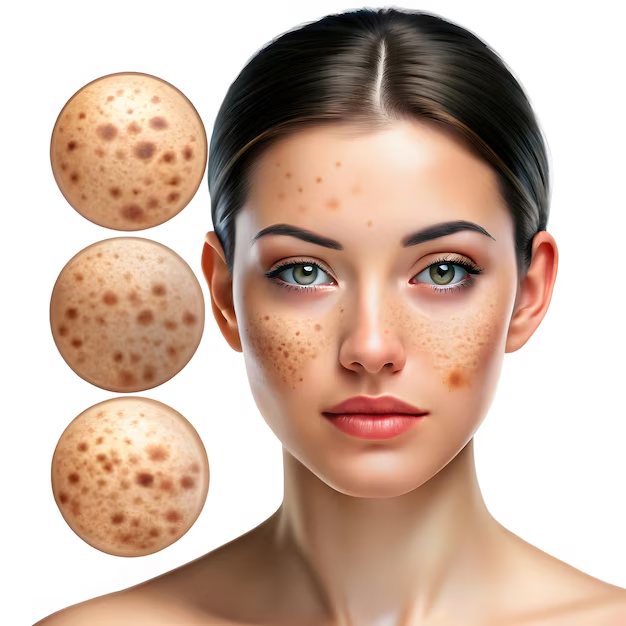
2. Understanding Indian skin tone
Skin tone of this region may have majored with wide range of skin color, however the reason behind this uniqueness comes by a pigment called “Melanin: the beautician who protects and defines”.
- How melanin protects: it’s produced by special cells called melanocytes, which is responsible for our skin, hair and eyes. It helps skin by absorbing harmful UV rays which reduces the risk of sun burns and skin cancer compared to lighter skin tones.
- How melanin disturbs: When skin gets irritated by acne, dust, heat and other harsh products, melanocytes overreact and causes dark spots, uneven skin tone which is also known as ‘Hyperpigmentation’.
Definition of Melanin?
~ Melanin is a complex polymer derived from the amino acid tyrosine, responsible for pigmentation in humans and animals.
What Melanin basically means?
~ Melanin is a natural pigment found in most living organisms that gives color to the skin, hair, and eyes.
~ Melanin acts like your body’s natural sunscreen, it protects your skin from harmful UV rays by absorbing and scattering them.
~ The more melanin you have, the darker your skin tone and the better your natural protection against sun damage.
There are three main types of melanin:
Eumelanin: Which gives black and brown shades (dominant in darker skin and hair).
Pheomelanin: Which gives red and yellow tone (found in lighter skin and red hair).
Neuromelanin: Which is found in the brain, helps protect nerve cells.
Why acne occurs if Melanin is the natural skin protector?
~ Here we come to the interesting part of the conversation, no doubt melanin is a god-gifted skin protector for harsh UV rays emitted by natural sunlight. However, it has its own limits too, when you see it from different perspectives. It primarily guards against external damage caused by sunlight, not internal processes that led to acne. Acne is the result of combination of factors like excessive oil production, accumulation of dead skin cells, bacterial growth and inflammation.
When sebaceous glands in the skin produces too much oil, it mixes with dead cells and clogs the pores. This blocked environment becomes a breeding ground for bacteria, when then triggers inflammation and results in pimples, blackheads or whiteheads.
Melanin, though it’s powerful in defending against UV light, unfortunately it has no control over oil glands, bacteria, or the inflammatory response that causes acne.
How actually acne occurs?
~ Acne begins deep within the skin, and the first factor that sets off the process is usually hormonal fluctuation. During puberty, stress, or even adulthood, the body releases the higher levels of hormones called androgens.
These hormones stimulate the sebaceous (oil) glands in the skin to grow larger and become more active. As a result, the glands start producing a oily substance called sebum, which helps keeping the skin soft and hydrated. While sebum is beneficial in moderation, excessive production makes the skin oily and clogs pores more easily, creating the foundation for acne formation.
The next stage involves the accumulation of dead skin cells. Normally, the skin renews itself by shedding dead cells from its surface every day. But when excess oil is present, these dead cells don’t shed properly; instead, they stick together and mix with the oil, forming a sticky plug that blocks the hair follicle. This blockage is called a comedone.
When it remains below the surface, it forms a whitehead, and when it’s exposed to air, the oil oxidizes and turns dark, creating a blackhead. At this stage, acne is still non-inflammatory, meaning there’s no redness or swelling yet.
Once a pore is clogged; it becomes a favorable environment for bacterial growth. A naturally occurring skin bacterium called Cutibacterium acnes (formerly known as Propionibacterium acnes) thrives in oxygen-poor, oily conditions inside the blocked pore.
Normally harmless, but these bacteria start multiplying rapidly when trapped. Their activity breaks down sebum and releases substances that irritate the lining of the pore. Which further leads to the phase of inflammation.
In the inflammatory stage, the body’s immune response kicks in to fight the bacterial overgrowth. White blood cells rush to the site of infection and release enzymes and chemicals to destroy the bacteria.
However, this immune reaction also damages surrounding skin tissue, leading to visible redness, swelling, tenderness, and pus formation. This is when acne becomes painful and appears as inflamed pimples such as papules, pustules, nodules, or cysts; depending on how deep the inflammation goes into the skin.
After the infection clears, the skin begins its healing process. But this can leave long-lasting marks, especially in melanin-rich or Indian skin tones. Inflammation stimulates melanocytes (pigment-producing cells) to produce more melanin, resulting in post-inflammatory hyperpigmentation (PIH) – dark spots or patches that remain even after the pimple disappears. In more severe cases, when deeper layers of the skin are damaged, acne can also lead to scarring, either as depressions (pitted scars) or raised tissue (keloids).
3. Recommended/Approved solutions for Indian Skin
Natural remedies
- Hydration, fruits rich in oxidants (pomegranate, papaya).
- Avoid too much sugar & dairy (can worsen acne).
- Get 7-8 hours of sleep.
- Use clean pillowcases and avoid touching your face.
Tip: Home remedies that actually work (and those don’t work)
- Effective: Aloe vera, turmeric (in moderation), sandalwood, rose water.
- Ineffective/harmful: Lemon juice, toothpaste, baking soda, undiluted apple cider vinegar.
Dermatologists recommends
- Daily skin routine
Morning: Cleanser → Antioxidant serum →Moisturizer → Sunscreen
Night: Cleanser → Treatment (e.g., retinol or niacinamide) → Moisturizer
- Best ingredients for Indian skin: Niacinamide, Vitamin C, Ceramides, Retinol, Hyaluronic acid.
- What to avoid: Harsh scrubs, bleaching creams, alcohol-heavy toners, fairness products.
4. Conclusion
Melanin-rich skin is naturally resilient, radiant and powerful. With right care, you can protect its beauty, prevent breakouts and maintain an even, healthy glow. Taking care of your skin might be the challenging sometimes, but maintaining consistenly is what makes stand-out and shine bright.
What is your skin type and what needs to be fixed in your skin routine? Let me know in the comments.
Leave a Reply