
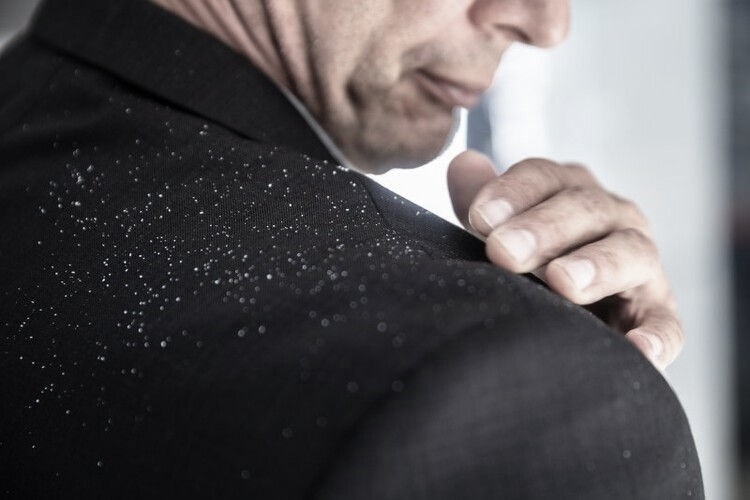
Dandruff is a skin condition characterized as a scaly, flaky scalp where skin cells slough off prematurely, which is usually seen on the shoulders shed through scalp.
Before we understand, ‘why dandruff happens?’ Let’s have a glimpse on global spread issue of dandruff and how serious of a problem it actually is?
Dandruff is one of the most common scalp conditions in the world, affecting a very large portion of the global population.
Especially in adults which is about 50% of the population worldwide are estimated to experience dandruff at some point in their lives – roughly 1 in every 2 people.
Dandruff typically begins during puberty and peaks in early to middle adulthood. It can affect people of all ethnicities and regions, though specific rates may vary (e.g., higher in some populations and lower in others).
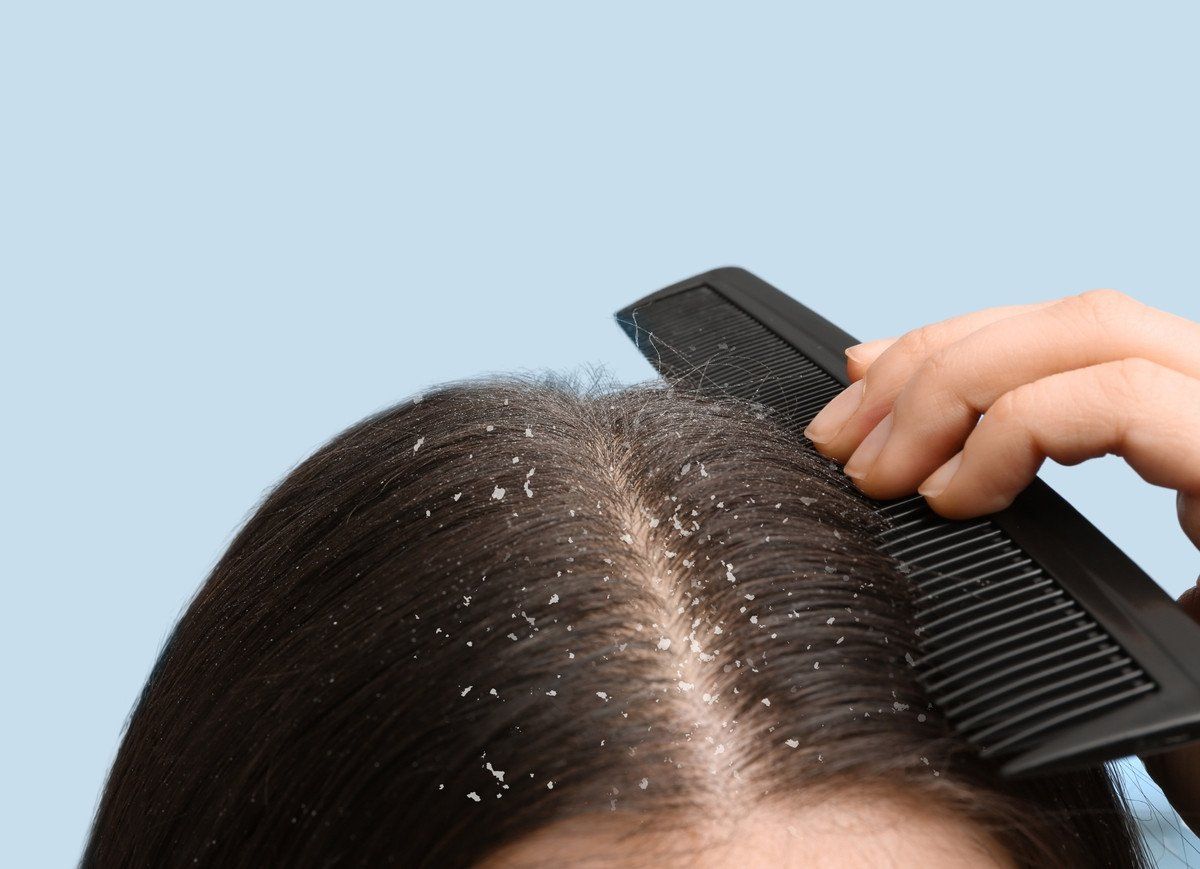
Causes For Dandruff?
Is Dandruff a serious medical issue? No! dandruff is usually not a serious medical issue. However, it is a serious everyday problem for a lot of people.
If we see it through medical perspective: Dandruff is not dangerous, and it is not contagious. Neither it damages any body organs and it rarely causes permanent hair loss. Because dandruff is common issue and it is not a sign of being unclean, yet dandruff happens because:
1. Natural scalp oil
- Scalp produces oil called sebum.
- A common yeast called Malassezia feeds on this oil.
- In some people, this triggers irritation and faster skin shedding.
2. Sensitive scalp
- Some scalps overreact to normal factors like oil, sweat, or harsh hair products.
3. Weather & Lifestyle
- Cold weather, humidity, pollution, stress, and irregular sleep can worsen it.
Tip: Malassezia is a genus of lipophilic (fat-loving) yeast naturally lives on human skin, particularly in areas rich in oil glands and considered a part of skin’s microbiome, and is present in most healthy individuals without causing any symptoms.
Things That Worsen The Dandruff
Several factors can worsen dandruff by disrupting the scalp’s natural balance, increasing inflammation, or encouraging excessive fungal activity.
One of the most common factors that aggravates dandruff is irregular or improper scalp hygiene.
Infrequent washing can allow excess sebum and dead skin cells to accumulate, which creates a favorable environment for Malassezia yeast overgrowth.
On the other hand, overly frequent washing with harsh shampoos can strip the scalp of its natural lipids, weaken the skin barrier and provoke irritation, ultimately worsening flaking.
The use of unsuitable hair and scalp products also plays a significant role. In which products containing high level alcohol, strong fragrances, or aggressive surfactants can irritate the scalp and disrupt the stratum corneum (outermost layer of the skin).
Heavy styling products such as gels, waxes, and pomades may build up on the scalp, trapping oil and debris and further promoting inflammation and scaling.
Environmental and climatic conditions are another major contributor; Cold weather and low humidity tend to dry out the scalp, while hot and humid conditions increase sweating and oil production.
Both extreme can intensify dandruff symptoms by altering the scalp’s microenvironment and immune response.
Exposure to air pollution can also irritate the scalp and impair its protective barrier.
Psychological stress and lifestyle factors have a well-documented impact on dandruff severity. Chronic stress influences hormonal balance and immune function, which can increase sebaceous activity and inflammatory responses in the skin.
Poor sleep quality and irregular daily routines further weaken the body’s ability to regulate the skin turnover, making dandruff more persistent.
Dietary habits may indirectly worsen dandruff as well. Diets high in refined sugars, saturated fats, and ultra-processed foods can promote systematic inflammation, which may reflect on the skin and scalp.
Nutritional deficiencies, particularly in zinc, B-complex vitamins, and essential fatty acids, can impair skin health and make the scalp more prone to flaking and irritation.
Certain medical and psychological conditions can exacerbate dandruff. Individuals with weakened immune systems, neurological conditions, or chronic inflammatory skin disorders often experience more severe and resistant dandruff.
Hormonal fluctuations can also intensify symptoms by increasing sebum production.
Treatments To Tackle The Dandruff
Natural approach to manage it
Natural treatments focus on restoring scalp balance, reducing irritation, and supporting the skin barrier. While they may not eliminate dandruff completely, they can significantly reduce flare-ups, especially in mild cases.
One effective natural approach is gentle scalp cleansing. Washing the scalp regularity with a mild, non-irritating shampoo helps remove excess oil, dead skin cells, and microbial buildup.
Certain plant-based ingredients have antifungal and anti-inflammatory properties. Tea tree oil, for example, contains terpinen-4-ol, which has demonstrated antifungal activity against Malassezia. When used in diluted form within shampoos, it may help reduce itching and flaking.
Aloe vera is another beneficial ingredient, known for its soothing, moisturizing, and anti-inflammatory effects, which can calm irritated scalps.
Dietary and lifestyle support also plays a role. Adequate intake of zinc, B-complex vitamins, omega-3 fatty acids, and antioxidants supports normal skin cell turnover and immune regulation.
Managing stress, improving sleep quality, and avoiding excessive heat styling or chemical treatments could further reduce scalp inflammation and sensitivity.
Medical/Clinical Approach To Manage it
Medical treatments target the biological mechanisms of dandruff, particularly fungal over growth, inflammation, and abnormal skin cell turnover. These treatments could be more reliable for persistent or recurrent dandruff.
The most widely recommended option is the use of medicated anti-dandruff shampoos. These shampoos contain active ingredients with specific actions.
- Ketoconazole and selenium sulfide reduce Malassezia proliferation by antifungal mechanisms.
- Zinc pyrithione controls fungal growth while also reducing inflammation.
- Salicylic acid helps loosen and remove scales by normalizing desquamation, though it should be paired with moisturizing care to prevent dryness.
- Coal tar slows excessive cell turn over and is particularly useful in chronic cases.
For optimal results, medicated shampoos should bee applied directly to the scalp and left on for several minutes before rinsing, allowing sufficient contact time for the active ingredients to work. Regular use, rather than sporadic application, is key to maintaining control.
In more severe or inflammatory cases; especially when dandruff progresses to seborrheic dermatitis, prescription treatments may be required.
These can include stronger antifungal formulations or short courses of topical corticosteroids to reduce inflammation and itching under medical supervision.
Conclusion
Dandruff is a normal scalp condition which occurs through various internal and external conditons. However it is not a serious medical issue.
It may feel a little uncomfortable and affect your confidence for a little, but the reality is dandruff is one of the most common unharmful skin conditions.
By the above mentioned reasons and proven cure methods, you can beat the dandruff issue more confidently.
Dandruff can be effectively controlled through a combination of scientifically proven medical treatments and supportive natural care.
While it may not be permanent curable, informed and consistent management can keep symptoms minimal and significantly improve scalp comfort and quality of life.
Which issue do you think has worsen your hair dandruff? let me know in the comments!
Leave a Reply